Introduction: Amazonian Gastronomy
The Amazon rainforest is not only rich in biodiversity but also in flavors. Amazonian cuisine reflects the cultural and natural diversity of the region, using fresh local ingredients that cannot be found anywhere else in the world. At Napo Cultural Center, visitors have the opportunity to embark on a culinary journey, exploring the unique flavors the Amazon has to offer. This article highlights some of the most emblematic dishes and drinks that visitors can enjoy during their stay at the center.
Fresh Ingredients from the Jungle
Amazonian cuisine is based on fresh ingredients harvested from the jungle, such as exotic fruits, fresh fish, and a variety of local herbs and spices. Fruits like açaí, camu camu, and cupuaçu are not only delicious but also packed with nutrients and antioxidants. River fish, such as paiche and tilapia, are prepared in different ways to highlight their fresh flavor. These ingredients, combined with traditional cooking techniques, create a culinary experience that is unique to the region.
Typical Dishes to Savor
One of the most representative dishes of Amazonian gastronomy is maito, which consists of fish wrapped in bijao leaves and grilled. This traditional cooking method gives the fish a smoky flavor and keeps it juicy. Another popular dish is tacacho, made from roasted green plantain and served with pork rind or dried meat. For the more adventurous, trying chontacuro, edible larvae, is an experience not to be missed. These are just a few examples of the wide variety of dishes that visitors can enjoy at Napo Cultural Center.
Traditional Amazonian Drinks
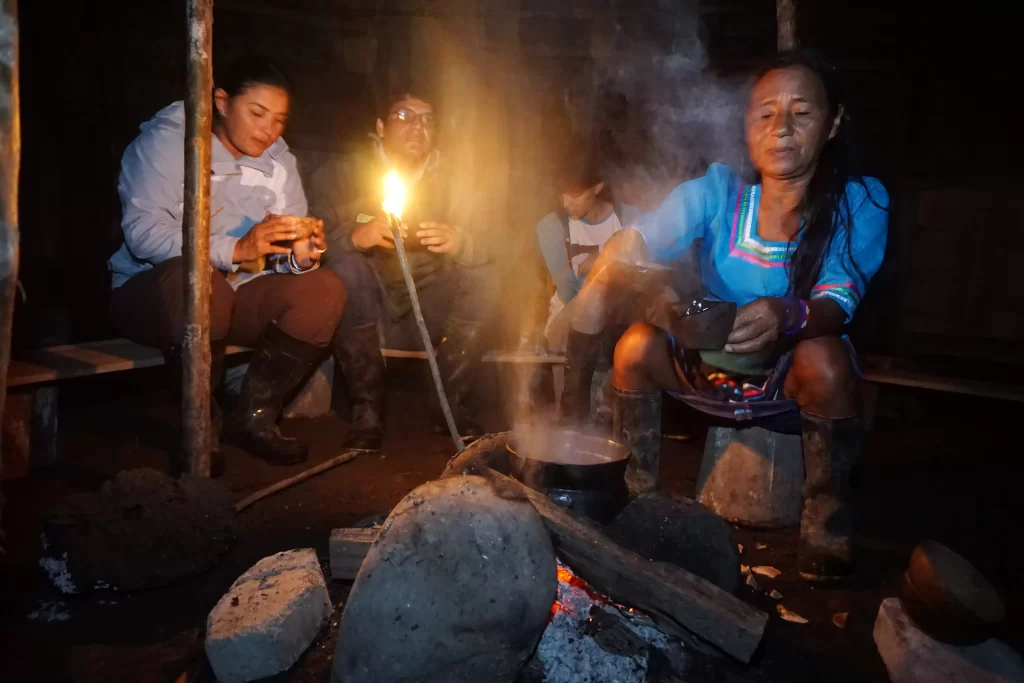
In addition to delicious dishes, the Amazon rainforest also offers a variety of traditional drinks that visitors can try. Chicha, a fermented drink made from yuca or maize, is popular at local festivities. Another traditional drink is guayusa, an infusion of leaves consumed for its energizing properties and ability to stimulate the mind. These drinks are not only refreshing but also hold significant cultural and social value in Amazonian communities.
Cooking Classes and Interactive Experiences
At Napo Cultural Center, visitors can not only taste Amazonian cuisine but also learn to prepare it. Cooking classes offer an interactive experience where participants can learn to make traditional dishes under the guidance of local chefs. From preparing fresh ingredients to the technique of wrapping and grilling maito, these classes provide a deeper understanding of the region’s culinary culture and traditions. Visitors take away not only memories of exquisite flavors but also culinary skills they can replicate at home.
Culture and Gastronomy: A Deep Connection
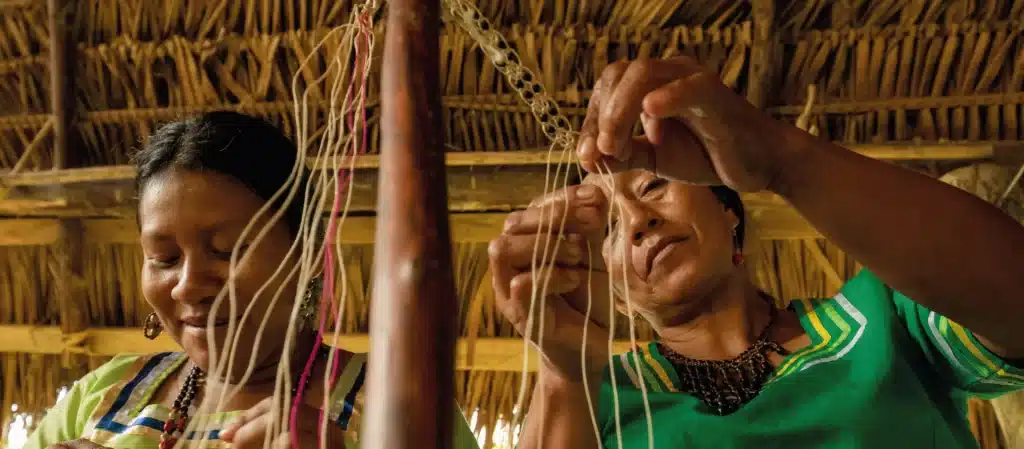
Food is an essential part of Amazonian culture, and sharing a meal is a way of celebrating community and traditions. At Napo Cultural Center, meals are moments to gather, share stories, and enjoy the hospitality of the Kichwa community. Visitors quickly realize that each dish has a meaning beyond flavor; it is a connection with the land and the people who care for it. Through gastronomy, visitors can experience the true essence of life in the Amazon.
Conclusion
The gastronomy of Napo Cultural Center is an invitation to explore the unique flavors of the Amazon rainforest. From fresh ingredients to traditional dishes and ancestral drinks, every meal is a celebration of the region’s diversity and richness. For food lovers and culinary adventurers, a visit to Napo Cultural Center offers the opportunity to discover new flavors and connect with local culture in a deep and meaningful way. Every bite is one more step in the journey toward understanding and appreciating life in the Amazon.