The vibrant parrots of the Amazon are a fascinating sight, known for their striking colors and lively personalities. However, these birds are also known for being quite particular about their diet, which mainly consists of seeds and nuts found throughout the rainforest. This diet, while rich, can introduce toxins into their systems, necessitating a unique dietary supplement: the clay lick.
The Importance of Clay Licks
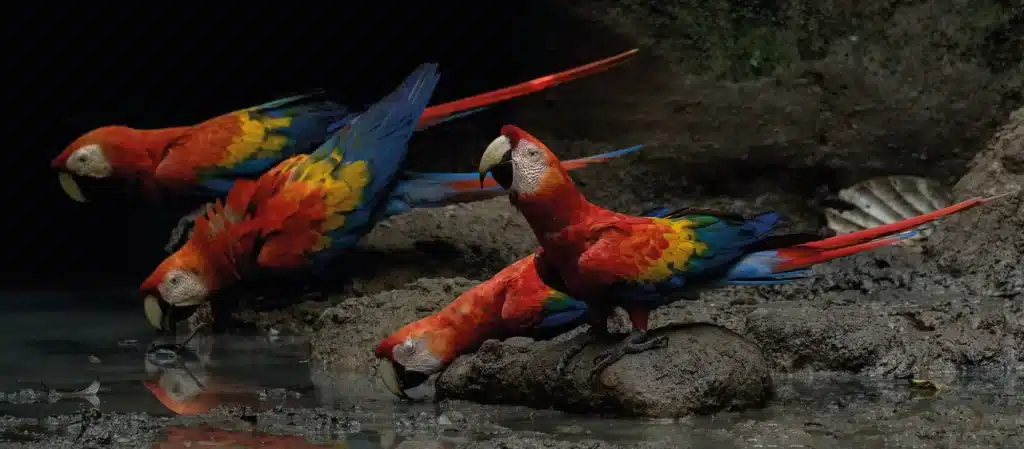
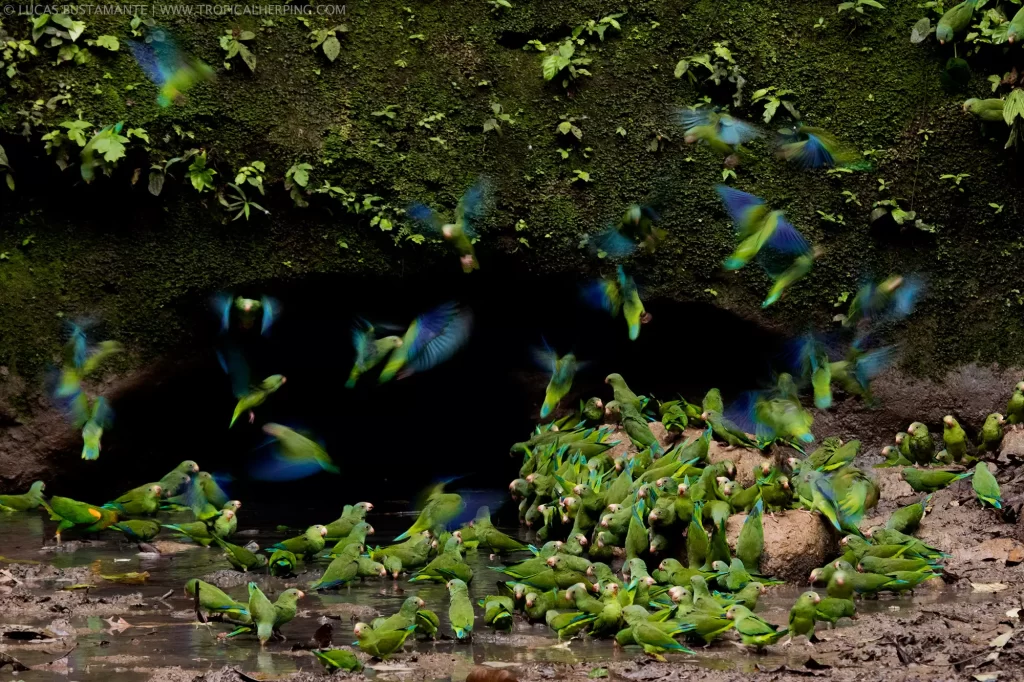
Clay licks, known as “Collpas” in Quechua (meaning salt lick), are mineral-rich patches of earth, particularly high in sodium. These clay deposits play a critical role in the health of Amazonian parrots by helping to neutralize the toxins from their seed-based diet. By ingesting the clay, parrots can manage toxin levels and maintain their overall health.
Parrots Flocking to the Clay
Nearly every morning, these clay licks are frequented by various parrot species. Yasuni National Park, located near the Napo Cultural Center, boasts some of the most accessible clay licks in the Amazon. Two of the most popular clay licks are situated along the banks of the Napo River.
Morning Rituals
Clear skies around 7 a.m. signal a bustling morning at the clay licks, where crowds of parrots gather for their essential mineral fix. Among the species you might see are:
- Dusky-headed Parakeet
- White-eyed Parakeet
- Blue-headed Parrot
- Yellow-crowned Amazon Parrot
- Mealy Amazon Parrot
Deep Forest Clay Lick
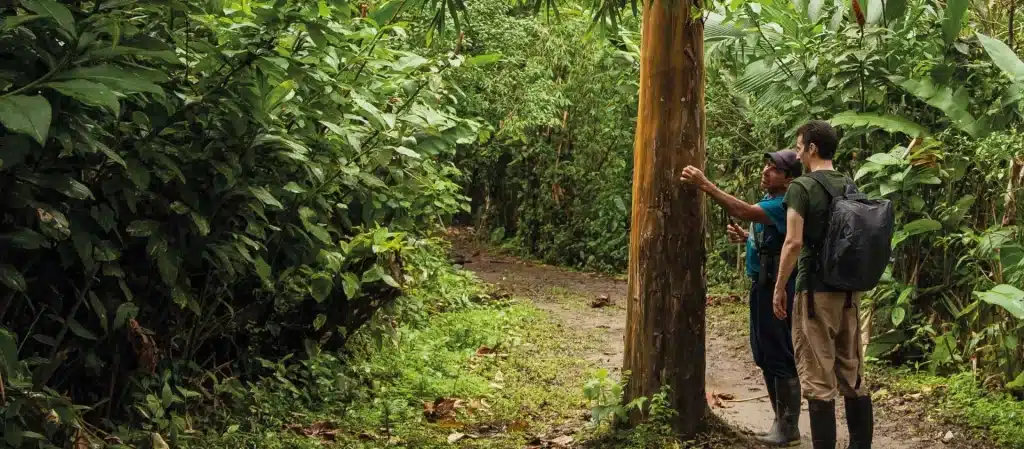
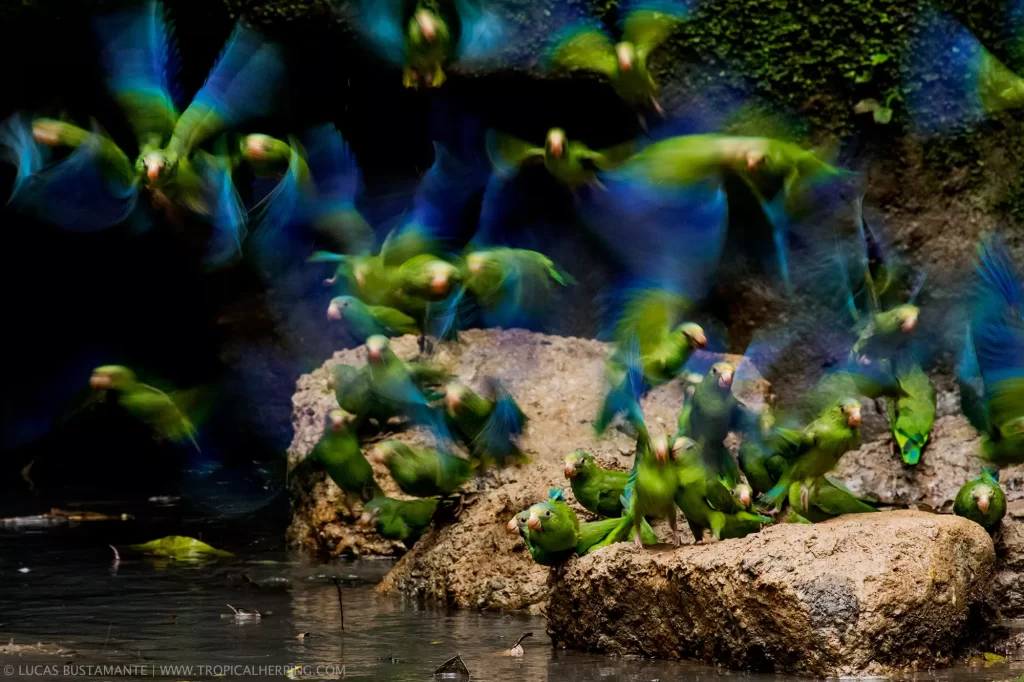
A second clay lick, nestled deep within the forest, becomes active around 10 a.m. and requires a half-hour hike to reach. Visitors sit about 70 meters away to watch and listen as parrots descend from the canopy to the forest floor. Species found here include:
- Cobalt-winged Parakeet
- Orange-cheeked Parrot
- Scarlet-shouldered Parrotlet
- Scarlet Macaw
- Red and Green Macaw
Experiencing the Clay Licks
Visiting these clay licks offers a remarkable opportunity to witness the stunning display of colors and sounds as parrots flock to these mineral-rich sites. The Napo Cultural Center provides guided tours to these locations, allowing visitors to observe and appreciate the essential role these natural formations play in the lives of Amazonian parrots.
Best Time to Visit
For the best experience, plan your visit during the early morning hours when the parrots are most active. The serene atmosphere, coupled with the vibrant flurry of wings, creates a memorable spectacle.
Conservation and Education
By visiting the clay licks, you contribute to the conservation efforts aimed at protecting these vital ecosystems and the wildlife that depend on them. The Napo Cultural Center is dedicated to promoting sustainable tourism practices that support the preservation of the Amazon’s unique biodiversity.
Conclusion
Clay licks are a vital part of the Amazonian ecosystem, providing essential nutrients to parrots and offering an incredible spectacle for visitors. By exploring these natural wonders with the Napo Cultural Center, you can experience the beauty and complexity of the rainforest while supporting conservation efforts.