Designated as a UNESCO Biosphere Reserve in 1989, Yasuni National Park is a vast protected forest covering 9,820 square kilometers (6,100 square miles) in the heart of the Ecuadorian Amazon. This lush and biodiverse paradise is home to an extraordinary array of wildlife and is a vital sanctuary for indigenous communities, making it one of the most important conservation areas on the planet.
A Haven for Indigenous Cultures
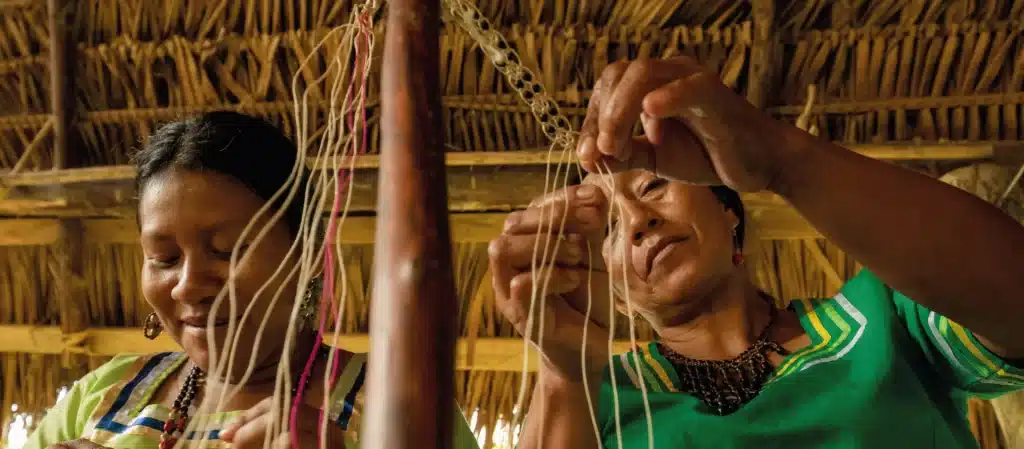
Yasuni National Park is not only a treasure trove of biodiversity but also a cultural sanctuary. Part of the park is the territory of the Huaorani indigenous people and several uncontacted tribes, such as the Tagaeri and the Taromenane. These areas, known as intangible zones, are protected from oil extraction, logging, and even tourism, preserving the traditional ways of life of these communities.
A Biodiversity Hotspot
The park is renowned for its incredible biodiversity, making it one of the most biologically diverse places on Earth. Within just a single square kilometer, visitors can find several hundred species of trees, birds, and wildlife. Yasuni holds the world record for amphibian diversity, with 150 species recorded in the park, a testament to its unique and rich ecosystems.
Environmental Challenges and Conservation Efforts
Despite its protected status, Yasuni National Park faces constant threats from international oil companies seeking to exploit its rich fossil fuel reserves. In a bold environmental initiative, the Ecuadorian government launched the Yasuni ITT initiative, pledging to leave the forests untouched and free from oil extraction in exchange for international financial support. The plan aimed to compensate for the lost revenue by creating a fund equivalent to at least 50% of the potential profits from drilling.
However, in 2013, President Correa announced that due to insufficient international support, Ecuador was forced to begin oil extraction to support its economy. He promised that only 1% of the park would be affected by these activities, but the decision remains controversial among conservationists and indigenous groups.
Visiting Yasuni National Park
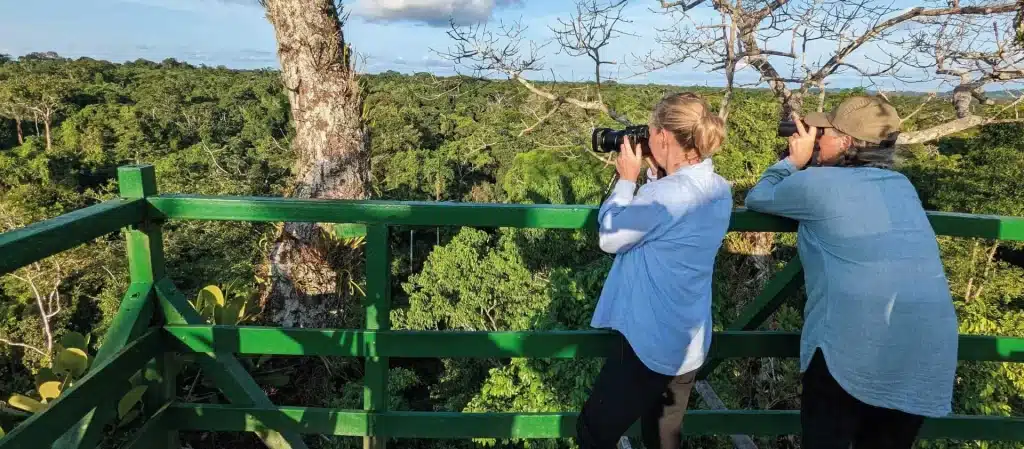
The Napo Cultural Center, located near the banks of the Napo River, provides an ideal base for exploring Yasuni National Park. Visitors have the opportunity to experience the park’s unparalleled biodiversity through guided tours and excursions.
Parrot Clay Licks
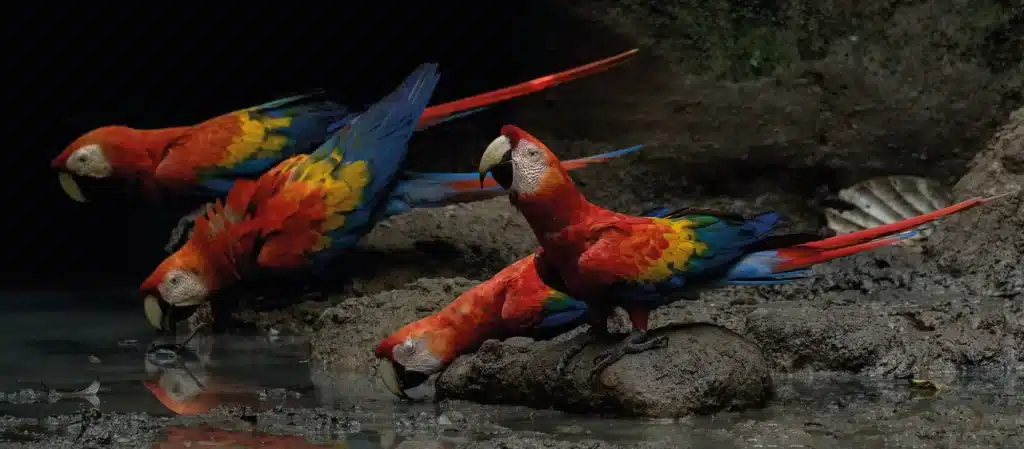
One of the park’s highlights is the parrot clay licks, where hundreds of colorful parrots gather to consume the mineral-rich clay. These licks are just minutes upriver from the Napo Cultural Center, offering visitors an unforgettable birdwatching experience.
Guided Tours and Expeditions
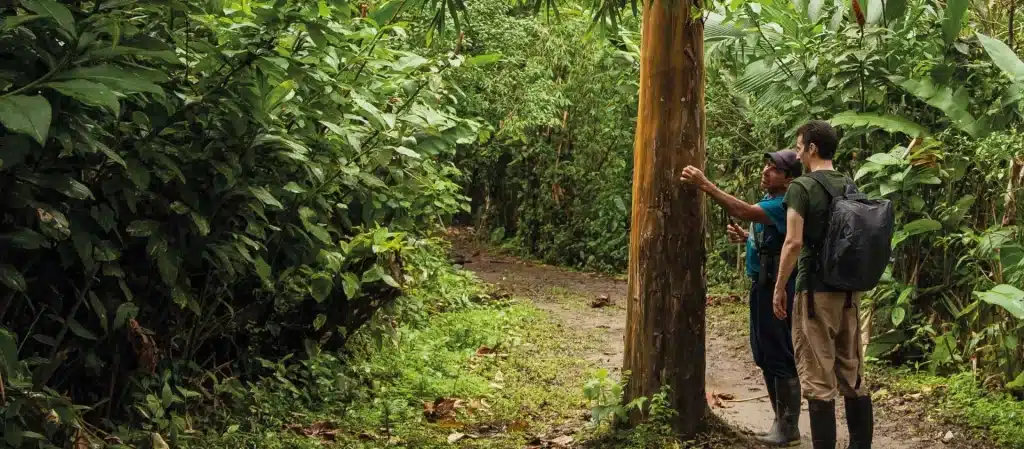
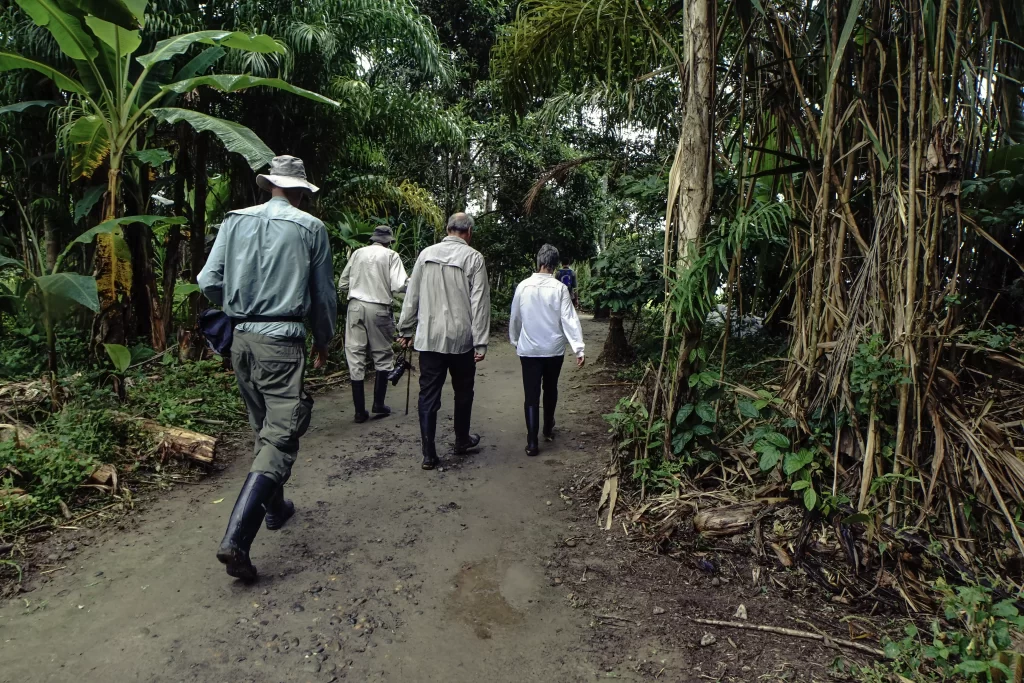
Explore the wonders of Yasuni with expert guides who lead expeditions into the heart of the rainforest. Discover the unique flora and fauna, learn about the park’s ecological importance, and gain insight into the cultural heritage of the indigenous communities.
Commitment to Conservation
The Napo Cultural Center is committed to responsible tourism practices that support the conservation of Yasuni National Park. By visiting, guests contribute to efforts that protect this vital ecosystem and support the livelihoods of local communities.
Conclusion
Yasuni National Park is a global treasure that embodies the beauty and complexity of the Amazon rainforest. Its protection is crucial for preserving biodiversity and safeguarding the cultural heritage of indigenous peoples. By visiting the Napo Cultural Center, you can play a part in supporting conservation efforts and experience the magic of Yasuni firsthand.