Yasuní National Park and Biosphere Reserve is a haven of unparalleled biodiversity and beauty, located in the heart of Ecuador. This protected area is home to a vast array of flora and fauna, making it one of the most biologically diverse regions on the planet.

What is the Yasuní National Park and Biosphere Reserve?
Yasuní National Park is an Ecuadorian national park where the rich local flora and fauna are preserved and protected. Renowned for its stunning natural beauty and immense biodiversity, Yasuní offers a glimpse into the wonders of the Amazon rainforest.
Location
Yasuní is situated in eastern Ecuador, spanning the provinces of Orellana and Pastaza. It is a part of the Amazon Basin, which drains much of South America. The park is primarily defined by the course of the Napo and Curaray Rivers.
Geography
Covering an area of 9,820 square kilometers (3,792 square miles), Yasuní is located in the eastern foothills of the Andes. The terrain slopes gently from west to east and is characterized by numerous rivers and creeks that carry water from the mountains into the Amazon system. The park contains three major ecosystems:
- Terra Firme: High land that does not flood.
- Várzea Forest: Seasonal floodplains.
- Igapo: Wetlands that remain partially flooded much of the time.
Flora
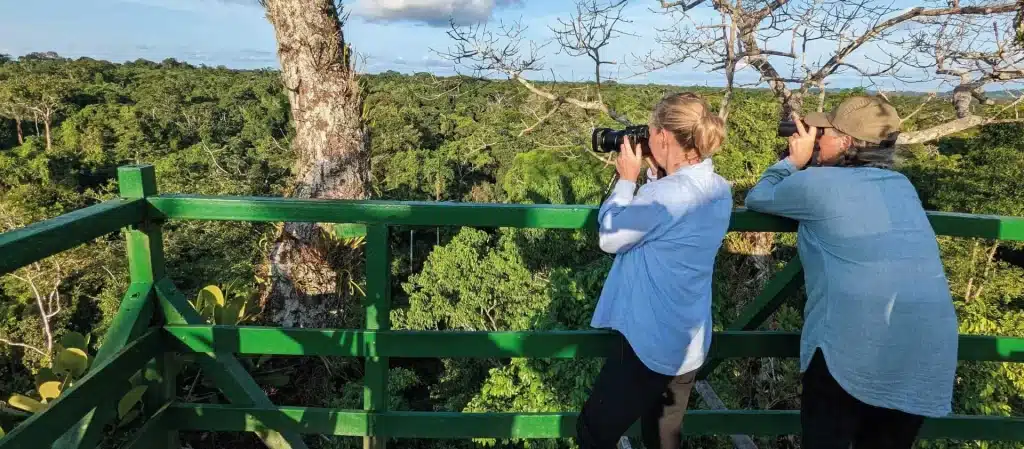
Yasuní is home to thousands of species of trees and plants. Researchers estimate that there are as many as 100 different species of trees per acre in Yasuní. By comparison, it is uncommon to find more than 20 species of trees per acre in North America. The park’s diverse plant life includes trees, bromeliads, vines, orchids, ferns, and much more.
Fauna
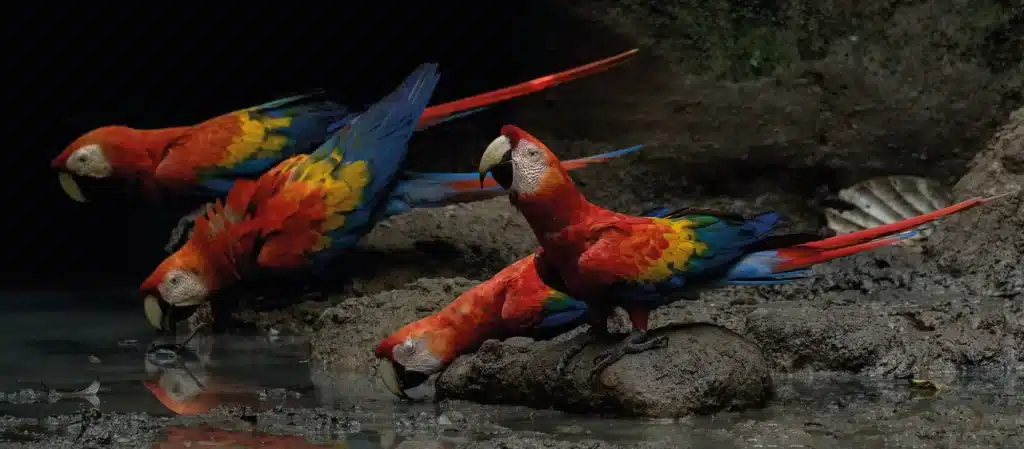
As the most biodiverse place on Earth, Yasuní is home to thousands of species of mammals, birds, reptiles, amphibians, and insects. Some of the more spectacular species include:
- Jaguars
- Caimans
- Toucans
- Macaws
- Turtles
- Monkeys
- Marmosets
The incredible diversity of life in Yasuní is a testament to the complex ecosystems that thrive within the park.
Park History
Yasuní was designated a National Park of Ecuador in 1979 and a UNESCO Biosphere Reserve in 1989. These designations highlight the global significance of Yasuní as a vital conservation area and a symbol of Ecuador’s commitment to preserving its natural heritage.
Uncontacted Tribes
Yasuní National Park is home to two uncontacted native tribes: the Tagaeri and the Taromenane. These tribes live in deliberate isolation, choosing to maintain their traditional way of life deep within the jungle. They hunt and fish just as their ancestors have done for thousands of years. The Ecuadorian constitution respects their right to live in the park without outside interference, ensuring their cultural preservation.
Oil in Yasuní
Beneath the surface of Yasuní lies a significant amount of oil. In 2014, an initiative to prevent oil extraction in exchange for international financial support failed, paving the way for oil drilling in the region. This development poses a threat to the park’s ecosystems and the uncontacted tribes that call Yasuní home.
Exploring Yasuní with Napo Cultural Center
Visitors to the Napo Cultural Center have the unique opportunity to explore the wonders of Yasuní National Park. Our center is located near the banks of the Napo River, providing easy access to the park’s diverse landscapes and wildlife.
Guided Tours
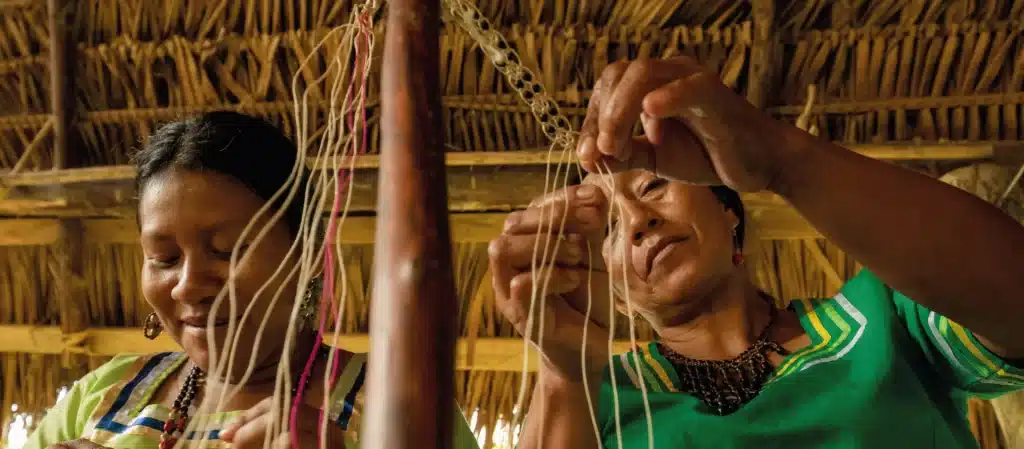
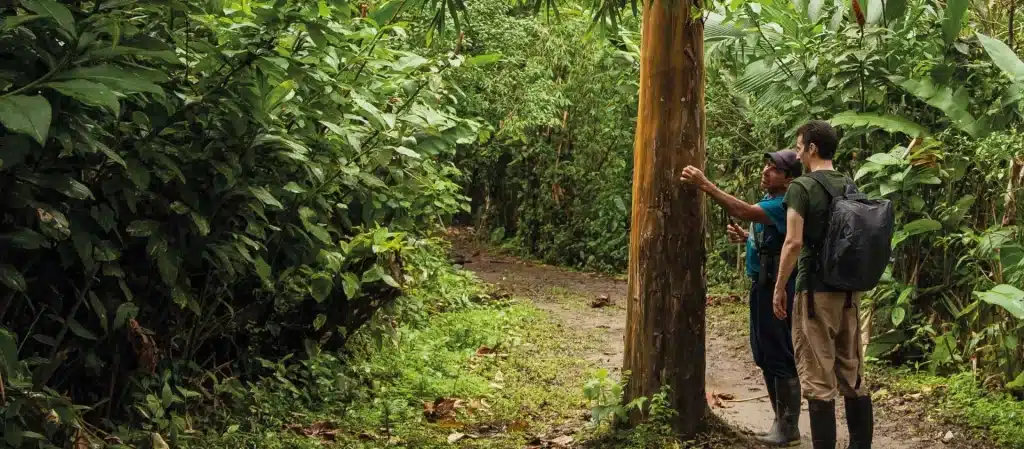
Join our expert guides on excursions into Yasuní’s lush rainforest. Discover the vibrant flora and fauna, learn about the park’s ecological importance, and gain insight into the cultural heritage of the indigenous communities.
Conservation Efforts
The Napo Cultural Center is dedicated to promoting responsible tourism practices that support the conservation of Yasuní National Park. By visiting, you contribute to efforts that protect this invaluable ecosystem and support the livelihoods of local communities.
Conclusion
Yasuní National Park is a global treasure, offering a glimpse into the beauty and complexity of the Amazon rainforest. Its preservation is crucial for maintaining biodiversity and safeguarding the cultural heritage of indigenous peoples. By visiting the Napo Cultural Center, you can experience the magic of Yasuní firsthand and support the conservation of this remarkable ecosystem.